Secure, off‑grid text messaging over LoRa.
We’d like to thank Stratum Now for their support of MeshCoreCumbria. They specialise in modern, security-focused IT solutions, helping businesses build strong and resilient foundations.
MeshCore Cumbria is an independent community mesh project building a simple, resilient communications network across Cumbria’s fells, valleys and towns. Using low-power, long-range LoRa radios, the aim is to create a free, off-grid messaging network that can continue to operate independently of the internet and mobile phone networks.
What started as a small experiment has grown into an expanding network of permanent repeaters across the county, many positioned to take advantage of Cumbria’s hills and high ground. Most of the infrastructure is currently built, maintained and funded by one enthusiastic tinkerer, but MeshCore itself is inherently community-powered — every additional repeater, rooftop node or participating user helps strengthen and extend the network.
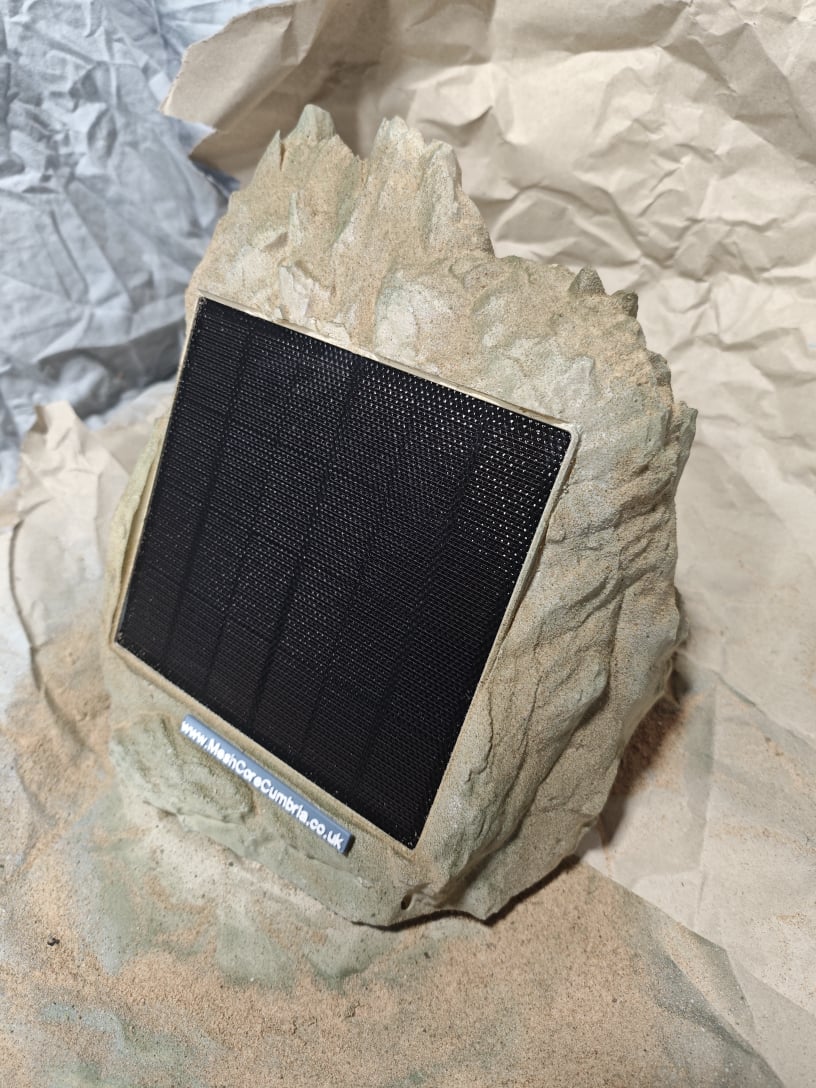
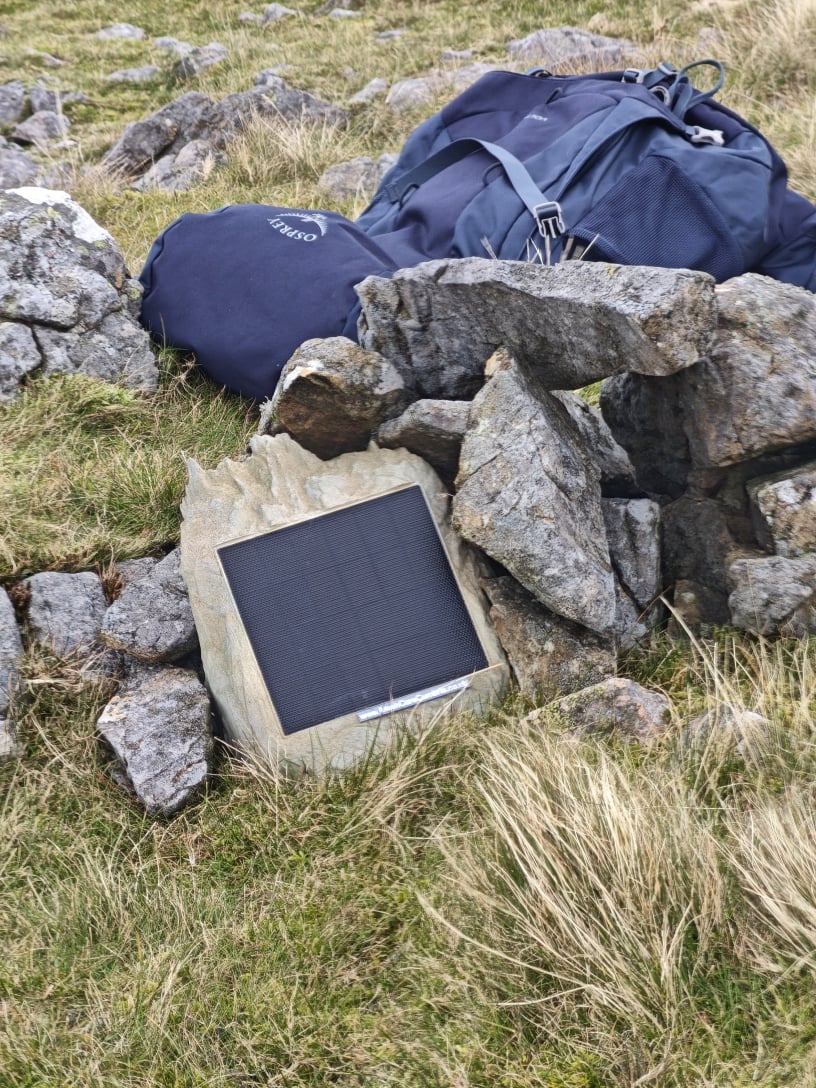
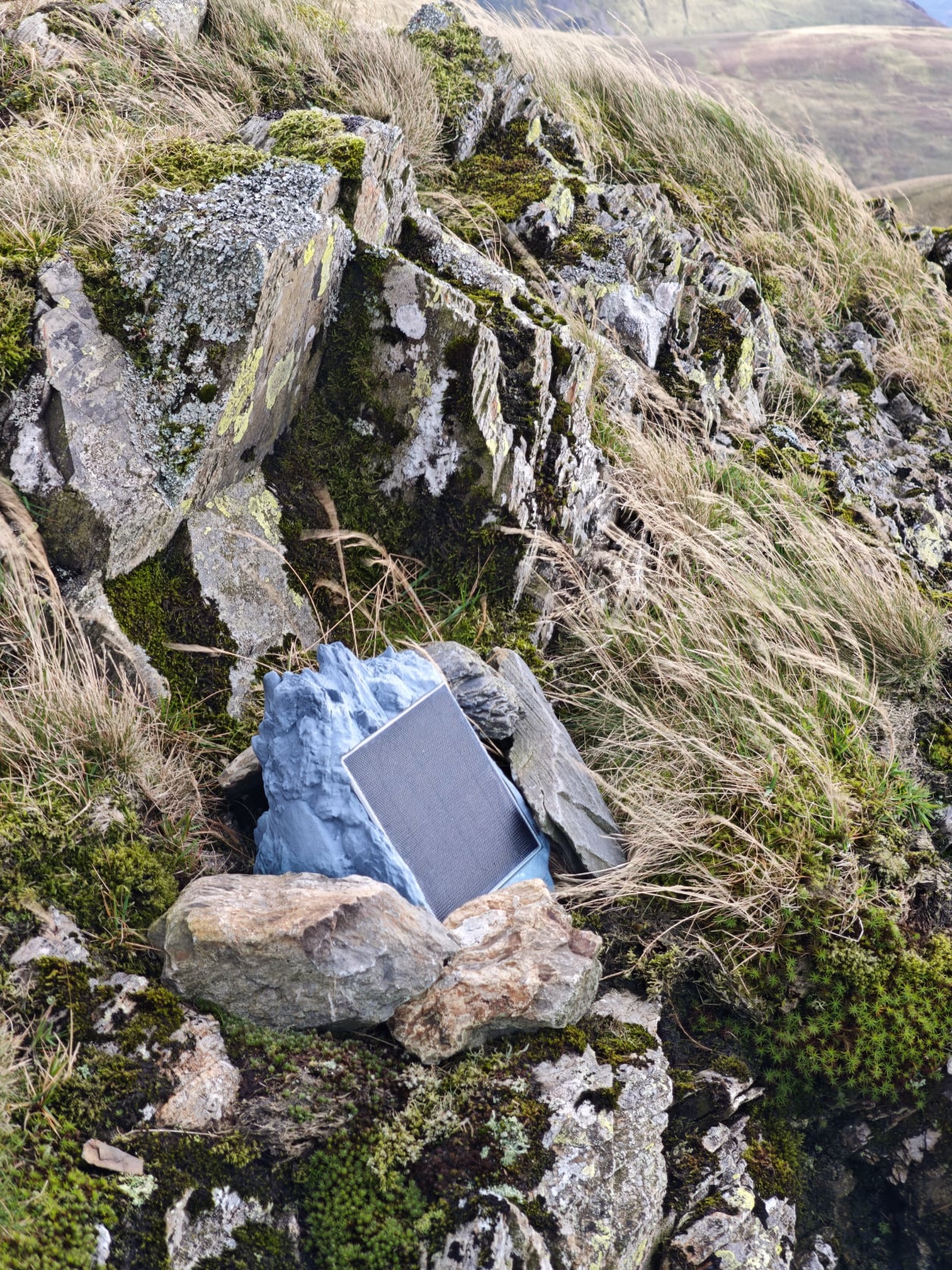
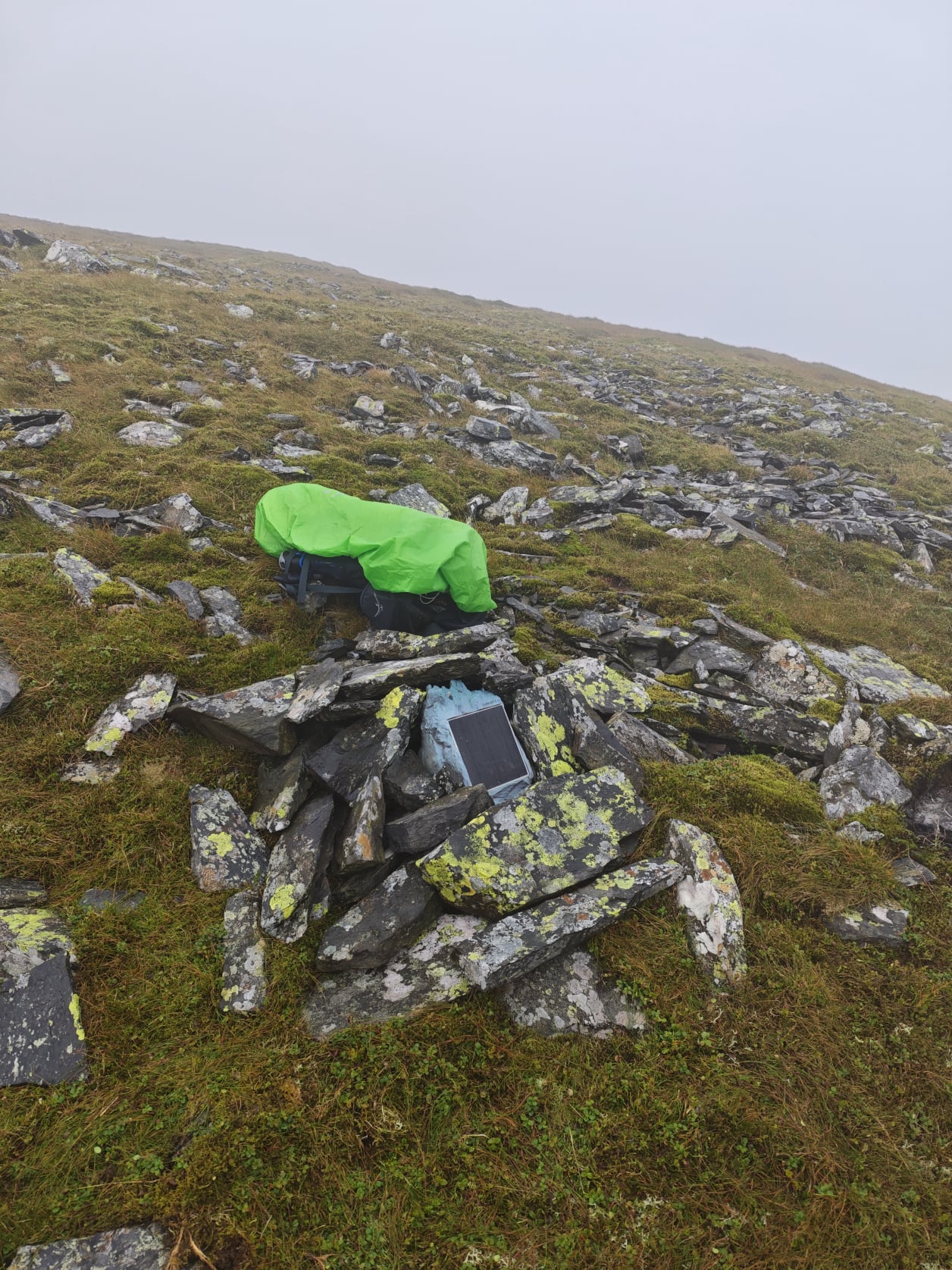
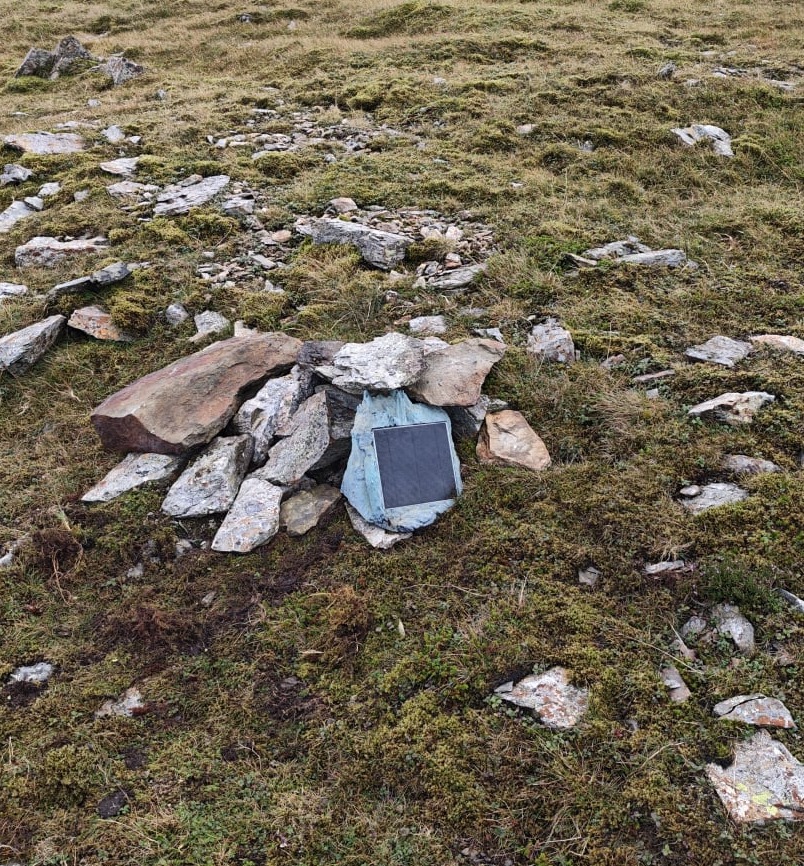
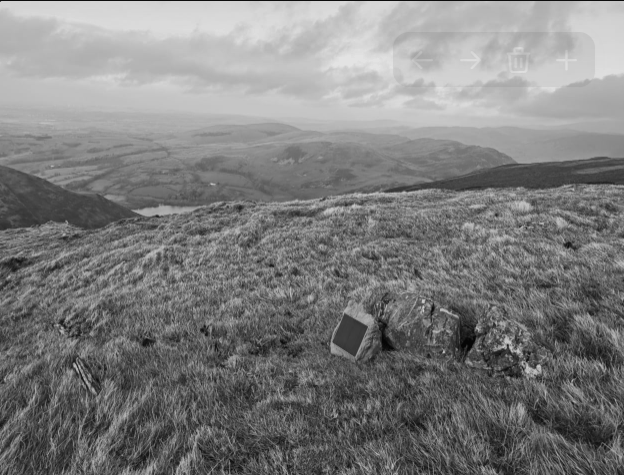
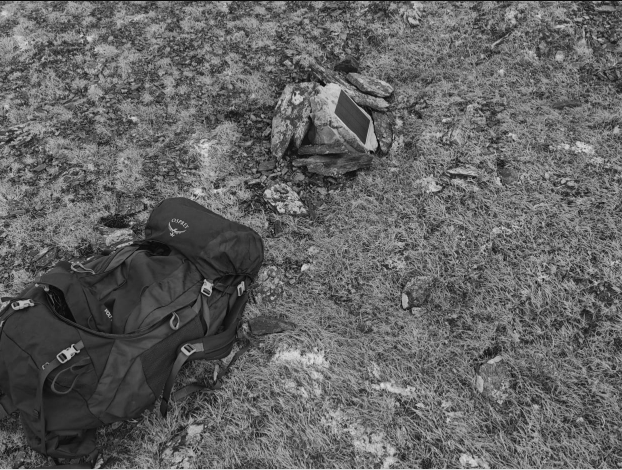
Where possible, outdoor repeaters are designed to have as little impact on the landscape as possible. Some are housed in discreet enclosures, while others use the now slightly infamous “rock with a solar panel” approach! The intention is always to keep installations small, unobtrusive and respectful of the places in which they are deployed.
The network is continuing to evolve. Current work includes upgrading existing repeaters to support newer MeshCore features such as regional scoping, replacing or recovering failed nodes, improving telemetry and remote monitoring, and experimenting with ways of making remote maintenance and firmware updates more practical. There are also ongoing experiments with Reticulum and RNodes, including the possibility of future dual-purpose nodes capable of supporting more than one mesh system.
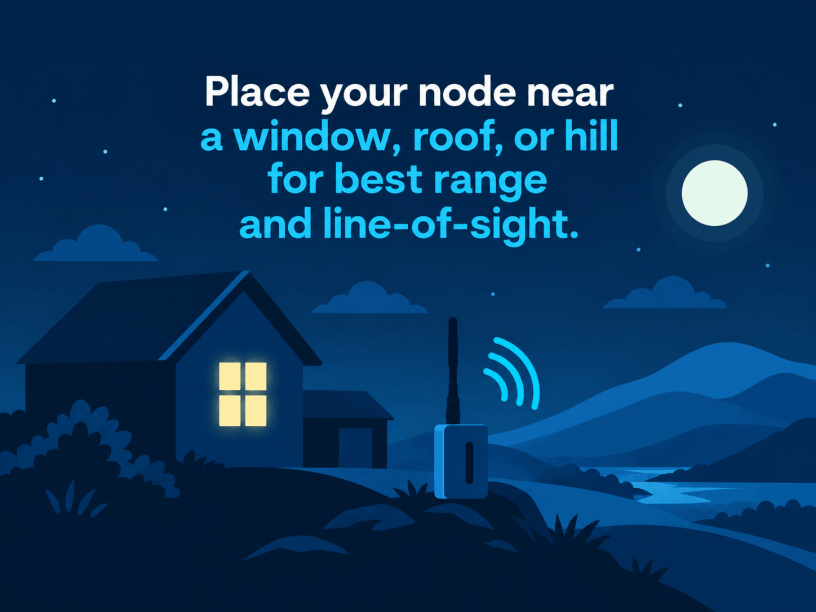
Anyone can contribute. A simple repeater installed on a house, loft, shed or other suitable location can help fill gaps and extend coverage considerably. Mesh networks become more useful and resilient as more nodes join and interconnect, so even a modest installation can make a meaningful difference.
The long-term goal is simple: to keep growing an open, useful and resilient communications network for Cumbria — one that connects communities, encourages experimentation and provides another way to communicate across some of the most remote parts of the county.
What’s the difference?
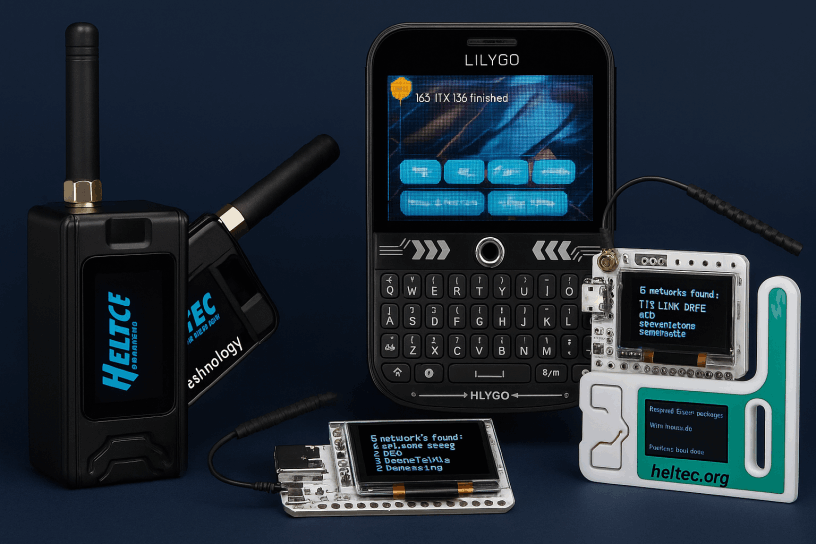
Heltec V3 (ESP32 LoRa dev board)
LILYGO T-Deck Plus
Diymore SX1262 LoRa V3
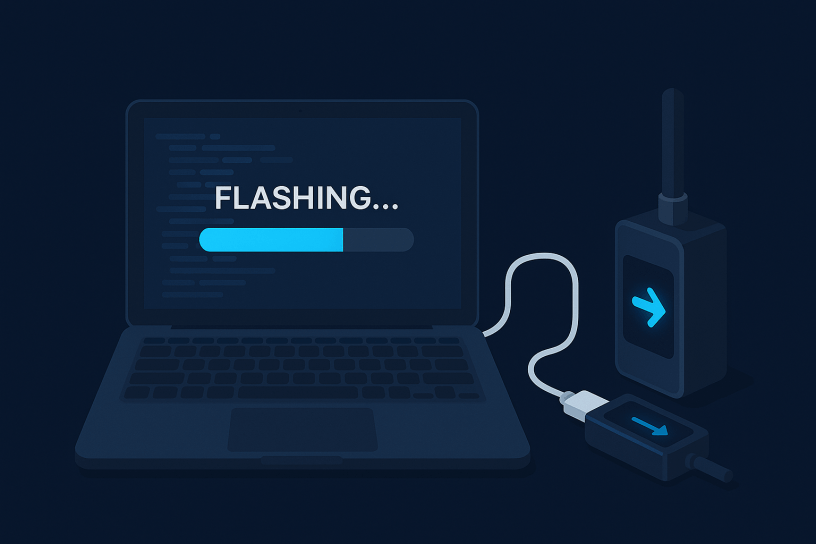
To flash meshcore or see a list of compatible devices visit the official MeshCore Web Flasher
Once setup send out an advert and see if you get any responses. Don't be afraid to say hi in the public channel
Yes. It’s community‑run and open source. You’ll only need to buy your own small radio.
Depends on terrain and antenna. Line‑of‑sight can be many miles; valleys may need repeaters.
Private, one‑to‑one messages in MeshCore are encrypted. Broadcast “flood” channel messages are public to anyone on that channel. Keep content community‑friendly and avoid sharing sensitive information.
This is the first prototype solar-powered node I’ve built. The rock enclosure is 3D-printed, and it’s powered by an off-the-shelf 5W solar panel originally designed for outdoor security cameras. 👉 link
UPDATE: Recovered 30/08/26
This was my very first rock node, built using a XIAO nRF52840 and Wio-SX1262, with no battery protection circuit.
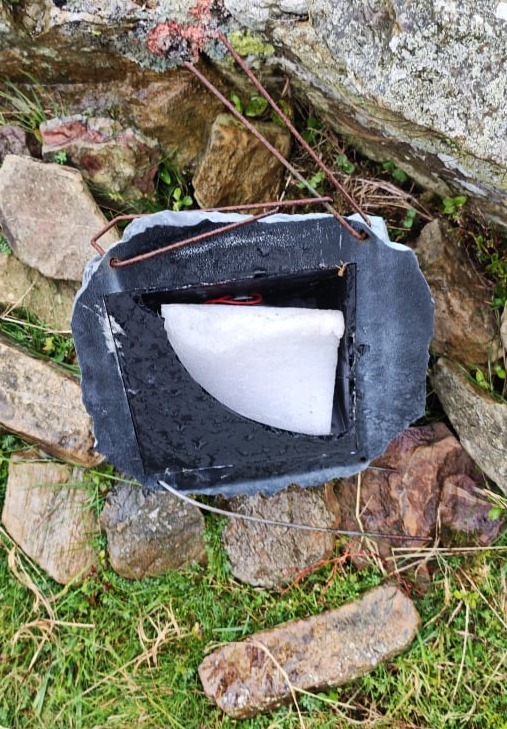
I found the node uprooted from its original position. It had been staked into the ground, but someone had pulled it out and smashed in the base of the enclosure, presumably to have a gander inside. Thankfully, all of the components had been left intact.
The interesting part is the condition of the electronics. On this early version I had superglued the base in place, and the enclosure had no breather vent at all. Despite that, the components inside were immaculate, with no corrosion on the connectors or visible signs of moisture ingress.
That makes me think that, provided these units are sealed properly, they may cope with long-term exposure to the elements very well indeed.
I’ve deployed a Heltec T114 solar-powered node on Lank Rigg. This repeater significantly extends the mesh, providing new coverage for Egremont, parts of Whitehaven, Beckermet, and Seascale. As with our other nodes, if you have a clear view of Lank Rigg, you should be able to connect.
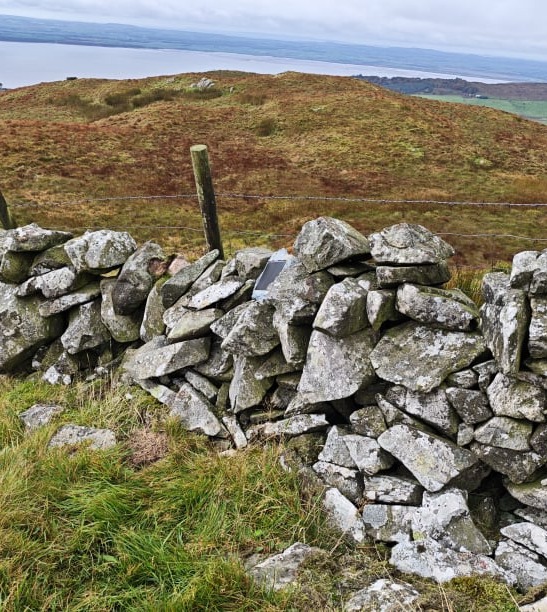
I’ve deployed a Seeed XIAO nRF52840 solar-powered node on Barnholm in Scotland. The goal was to establish a link with our friends over in Bangor, Northern Ireland — but unfortunately, it still can’t quite reach them. All isn’t lost though; it connects cleanly into the existing Cumbrian mesh, giving the coastline a better chance to pick up the signal.
Another Repeater "Not Responding", (Recovered on 27/08/26) I'm unsure what happened with this one, it looks like the solder to the solar charge controller cable came loose, there was a little moisture inside the rock too, I think it's wicking up from the ground through the base, so better sealing may need to be employed ( I was using cheap bathroom sealant, might get somethign better) there was some degredation of the components also, around the battery terminals and the SX1262 board/pins, once the battery was charged at home and the SX1262 board raplaced though it came back to life, so i'll test it a while before re-deploying.
Carling Knott Repeater (originally) placed 24/12/25
A Seeed XIAO nRF52840 solar-powered node has now been deployed on Carling Knott. This high-level repeater is intended to help extend the mesh northwards, improving coverage toward Scotland and Northern England.
Up to now, I’ve been getting good results using Seeed XIAO nRF52840 boards powered by four 18650 cells wired in parallel. The cells feed through a battery protection board, which then supplies the nRF board.
I’ve since learned that the solar charge controller (MPPT) wiring shown in the photo above—while seemingly correct—has been causing issues. The MPPT output should be connected directly to the P+ and P− terminals on the battery protection board, rather than the batteries direct.
A further Seeed XIAO nRF52840 “rock” solar-powered node has now been deployed on Skiddaw. Conditions were fairly claggy on the summit, with cloud hugging the top, so I don’t have especially high hopes for this repeater’s longevity — but you never know! This is the highest repeater we’ve placed so far, sitting at 931 m, and it’s intended to strengthen the mesh by improving reach in multiple directions. Here’s hoping we start to see even more new connections appearing across the network.
Email us at meshcorecumbria@proton.me
No Code Website Builder